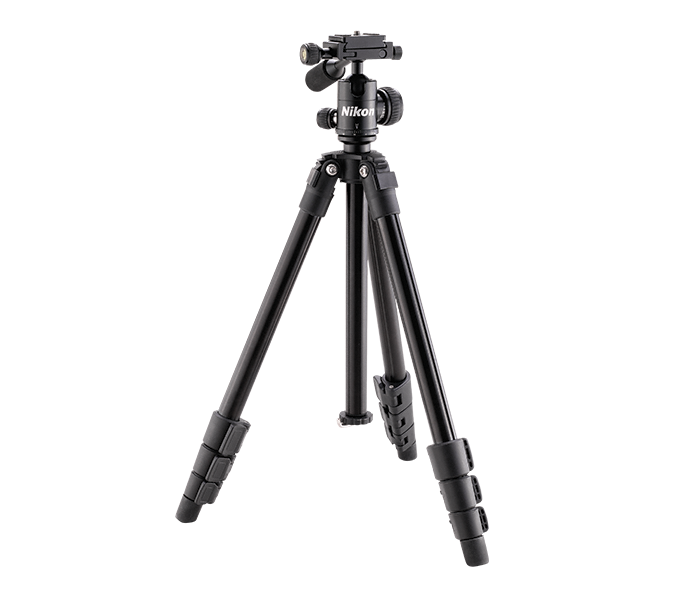
Common Causes of a Wobbly Tripod Setup: What You Need to Know
When setting up a tripod, a wobbly tripod can be frustrating and detrimental to your photography or videography efforts. Some common causes of a wobbly tripod setup include uneven terrain, which can destabilize the legs, and the improper locking of the tripod's leg sections. If the legs are not securely locked or are extended unevenly, it can lead to instability and unwanted vibrations. Additionally, the weight distribution of your gear plays a significant role. Overloading a tripod or placing heavier equipment too high on the ball head can shift the center of gravity, making it more susceptible to wobbling.
Another factor contributing to a wobbly tripod is the presence of wind or other environmental conditions. Even the slightest breeze can cause vibrations that lead to blurred images or shaky footage. It's crucial to consider adding counterweights or using a sandbag to anchor your tripod during windy conditions. Lastly, regular maintenance of your tripod can prevent issues; check for any loose screws or wear on the legs and joints that could compromise stability. By addressing these common causes, you can ensure a more secure and stable tripod setup for your projects.
Counter-Strike is a popular first-person shooter game that has captivated gamers since its release. Players engage in intense team-based matches, where strategy and teamwork are crucial for success. For those who enjoy gaming on the go, finding the right accessories can enhance the experience. Check out the Top 10 iphone tripods to find the best setups for mobile gaming. With various gameplay modes and a competitive community, Counter-Strike continues to be a staple in the gaming industry.
How to Stabilize Your Tripod for Perfectly Aligned Photos
When it comes to capturing stunning photographs, a stable tripod is essential for achieving perfectly aligned photos. Begin by choosing a firm and level surface for your tripod to rest on. If you're shooting outdoors, look for a flat area free of debris and obstructions. Make sure to adjust the tripod legs to accommodate any uneven ground. Many tripods come with built-in bubble levels that can help you ensure your camera is perfectly aligned. If you find yourself on a soft surface, such as sand or grass, consider using tripod spikes or weight bags to anchor your tripod further and minimize vibrations.
Another effective way to stabilize your tripod is by utilizing the appropriate settings on your camera. Use a remote shutter release or the camera's self-timer to minimize any movement caused by pressing the shutter button. Additionally, activating your camera's image stabilization feature, if available, can help reduce blur in your photos. Finally, consider using the mirror lock-up function if your camera has one, especially for long exposures, to prevent any vibrations caused by the mirror flipping up during the shot. By following these simple tips, you can ensure that your tripod is stabilized for consistently perfectly aligned photos.
Is Your Tripod Letting You Down? Troubleshooting Tips for Leaning Shots
If your photography often suffers from leaning shots, it may be time to examine your tripod closely. One common culprit is an uneven setup; ensure that all three legs of your tripod are firmly planted on solid ground. Look for sloping surfaces or obstacles that may cause a tilt. A quick check of the tripod's leveling bubble can help determine if adjustments are necessary. If your tripod doesn’t have a leveling bubble, consider investing in a tripod with this feature to help you achieve better alignment in your shots.
Another factor that might be contributing to leaning shots is the tripod head's tightness. If your tripod head is too loose, it may not support your camera's weight properly, causing it to slip and tilt. To resolve this issue, check the tension adjustment on your tripod head and tighten it as needed. In addition, be sure to regularly inspect both the tripod and camera plate for debris or damage, which can also lead to instability. By following these troubleshooting tips, you can ensure that your tripod is a reliable partner in achieving perfectly straight shots.