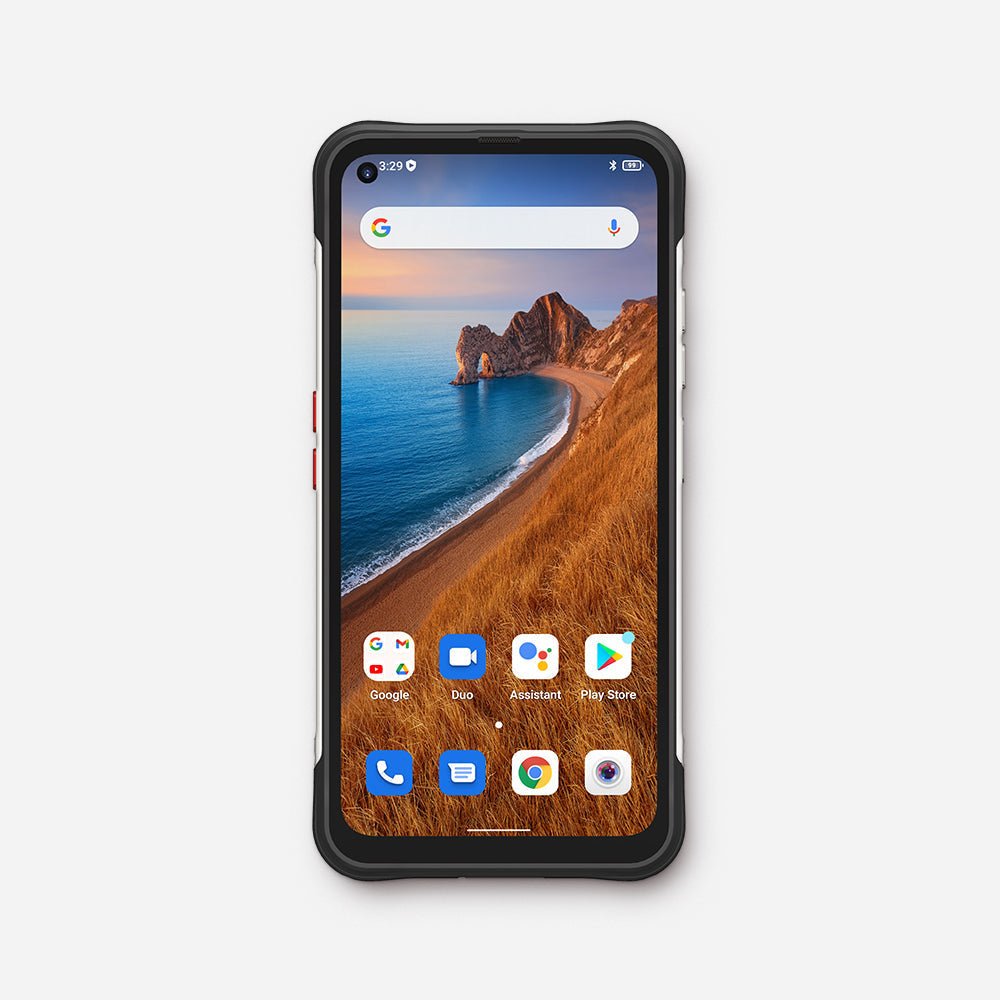
How Smartphones Have Transformed Communication: A Deep Dive
The advent of smartphones has drastically reshaped the way we communicate in our daily lives. No longer limited to basic voice calls and text messaging, smartphones have introduced a plethora of communication platforms that cater to various needs and preferences. Instant messaging apps, social media, and video calling services have provided users with multiple avenues to connect with friends, family, and even colleagues beyond geographical barriers. According to a recent study, over 90% of people use their smartphones to stay in touch with loved ones, highlighting the significance of these devices in enhancing interpersonal relationships.
Furthermore, smartphones have redefined the speed at which information is exchanged. With just a few taps, users can share updates, photos, and videos instantly, creating a culture of immediacy in communication. This has not only made personal interactions more dynamic but has also transformed professional communication, making it essential for businesses to adopt flexible and responsive strategies. As a result, even in the corporate world, the use of smartphones is pivotal in maintaining transparency and fostering teamwork amongst remote workers. The implications of this shift are profound, as timely communication has become crucial for success in both personal and professional settings.
Counter-Strike is a popular tactical first-person shooter game that has captivated players around the world since its initial release. It emphasizes teamwork, strategy, and skill, making it a staple in the esports community. Players can choose between two teams, terrorists and counter-terrorists, each with unique objectives. For those looking to enhance their video content creation skills, check out the Top 10 Mobile Vlogging Accessories to take your gaming content and streaming to the next level.
The Evolution of Mobile Technology: From Brick Phones to Smart Devices
The evolution of mobile technology has been nothing short of remarkable, transforming the way we communicate and interact with the world. In the early days, the mobile phone was a cumbersome device, often referred to as a brick phone due to its size and weight. These first-generation devices, emerging in the 1980s, offered basic functionalities such as voice calls and were primarily used by business professionals. As technology progressed, the introduction of flip phones and candy bar phones in the 1990s marked a significant shift, enhancing portability while allowing for features like texting and basic internet access.
By the early 2000s, the mobile landscape saw the launch of smart devices that integrated advanced functionalities and transformed our communication experience. Devices like the early BlackBerry and later models like the iPhone popularized the smartphone era, offering features such as touchscreens, app stores, and high-speed internet connectivity. Today, we stand at the forefront of mobile technology with innovations like 5G networks, foldable phones, and AI integration, continually pushing the boundaries of what mobile devices can accomplish. This ongoing evolution not only enhances personal communication but also revolutionizes industries ranging from healthcare to entertainment.
Are Smartphones Making Us Smarter or Dumber? Exploring the Impact on Our Daily Lives
The impact of smartphones on our cognitive abilities has sparked a heated debate among researchers and everyday users alike. On one hand, smartphones serve as a treasure trove of information, allowing us to access knowledge at our fingertips. For instance, with just a few taps, we can research complex topics, connect with experts in various fields, and enhance our learning through educational apps. This easy access to information could suggest that smartphones are indeed making us smarter by fostering a culture of continuous learning and engagement.
Conversely, critics argue that our reliance on smartphones is contributing to a decline in critical thinking and memory skills. The constant notifications and distractions they provide can lead to shallow attention spans and poor retention of information. A study indicates that over 70% of smartphone users experience difficulty focusing on tasks without checking their devices. This phenomenon raises the question: are we becoming too dependent on technology to process information, thereby making us 'dumber' in the long run?