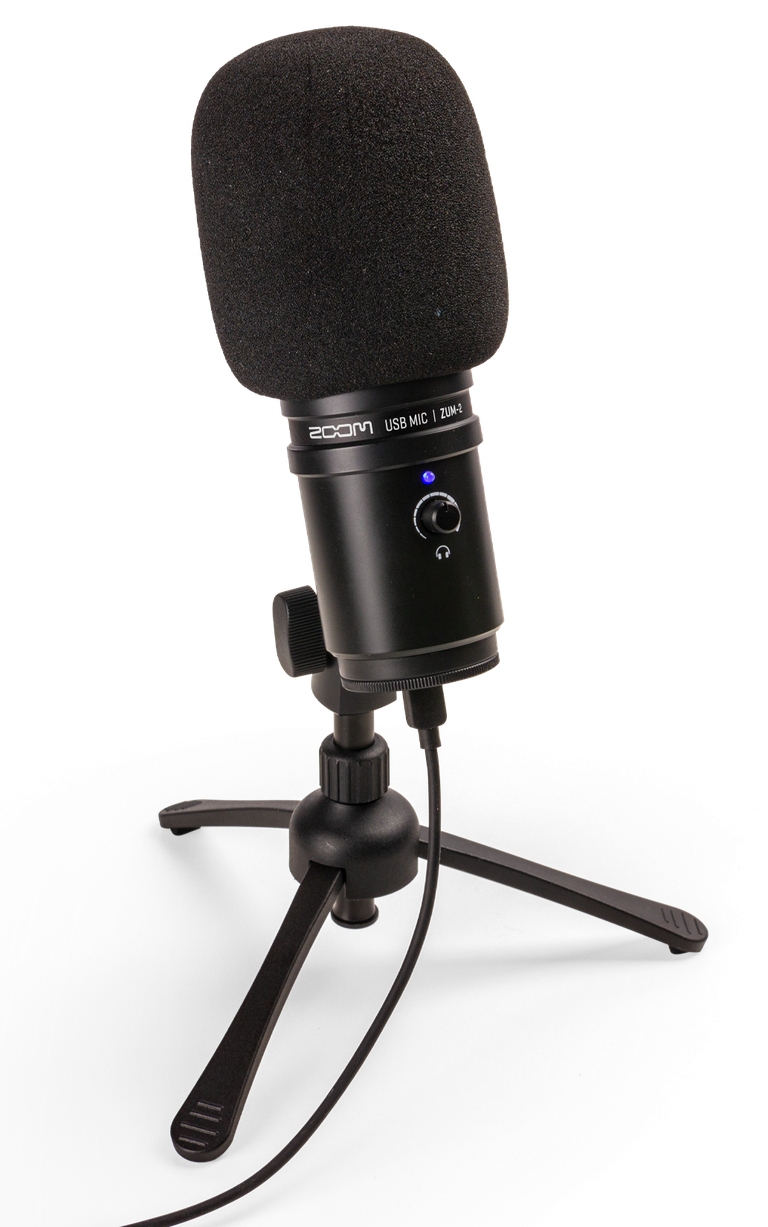
5 Common Mistakes to Avoid When Using Your Microphone
When it comes to using your microphone effectively, avoiding common mistakes can significantly improve your audio quality. One of the most prevalent errors is not adjusting the microphone placement. Improper positioning can lead to excessive background noise or uneven sound levels. Always ensure that your microphone is at an optimal distance from your mouth—typically around 6 to 12 inches. Additionally, consider using a pop filter to minimize plosive sounds, which can distort your audio.
Another frequent mistake is neglecting to monitor audio levels. Many users forgo listening to their recordings in real-time, which can result in distorted or poorly balanced audio. Before beginning your recording, conduct a sound check to adjust the levels on your microphone interface. This step will help you identify any adjustments needed to achieve a clean and professional sound. Finally, don't overlook the importance of regularly maintaining your microphone equipment to ensure optimal performance.
Counter-Strike is a highly popular first-person shooter (FPS) game that has captivated millions of gamers worldwide. Known for its tactical gameplay and competitive scene, it involves two teams, terrorists and counter-terrorists, competing to accomplish objectives. Whether you are looking for guidance on improving your gameplay or finding the right gear, check out our Top 10 Earbuds for Meetings to enhance your in-game communication.
The Science Behind Sound: How Microphones Capture Your Voice
The science behind sound and how microphones capture your voice is a fascinating topic that combines physics, engineering, and communication. At its core, sound is created by vibrations that travel through the air as waves. When you speak, your vocal cords vibrate, producing sound waves that propagate outward. Microphones are designed to detect these sound waves by using a diaphragm, a thin membrane that moves in response to the fluctuations in air pressure caused by sound. This movement is then converted into an electrical signal, allowing your voice to be recorded or amplified.
Different types of microphones use various technologies to capture sound. Dynamic microphones use electromagnetic induction, where a magnet and coil work together to create an electrical signal. On the other hand, condenser microphones utilize a capacitor that changes capacitance based on the vibrations of the diaphragm. Each type of microphone has its strengths and is suited for specific applications, shaping how we experience sound in recordings, live performances, and everyday communication. Understanding this technology not only enhances our appreciation of audio quality but also informs how we can use these devices effectively.
Is Your Microphone Amplifying Your Mistakes? Here's What You Need to Know
In the world of audio recording and live performances, microphones play a crucial role in capturing sound. However, if you're not familiar with proper microphone techniques, you might find that your microphone is amplifying your mistakes rather than your talent. Factors such as microphone placement, gain settings, and even your vocal technique can make a significant difference in how your audio is perceived. For example, if you stand too close to the microphone, you could unintentionally introduce unwanted plosives, while being too far away might lead to a weak sound that lacks presence.
To ensure that your microphone enhances rather than detracts from your performance, consider the following tips:
- Test your setup: Always do a sound check to identify any potential issues.
- Adjust your gain: Finding the right gain level can help prevent distortion.
- Mind your distance: Maintain a consistent distance from the mic to avoid fluctuations in audio quality.