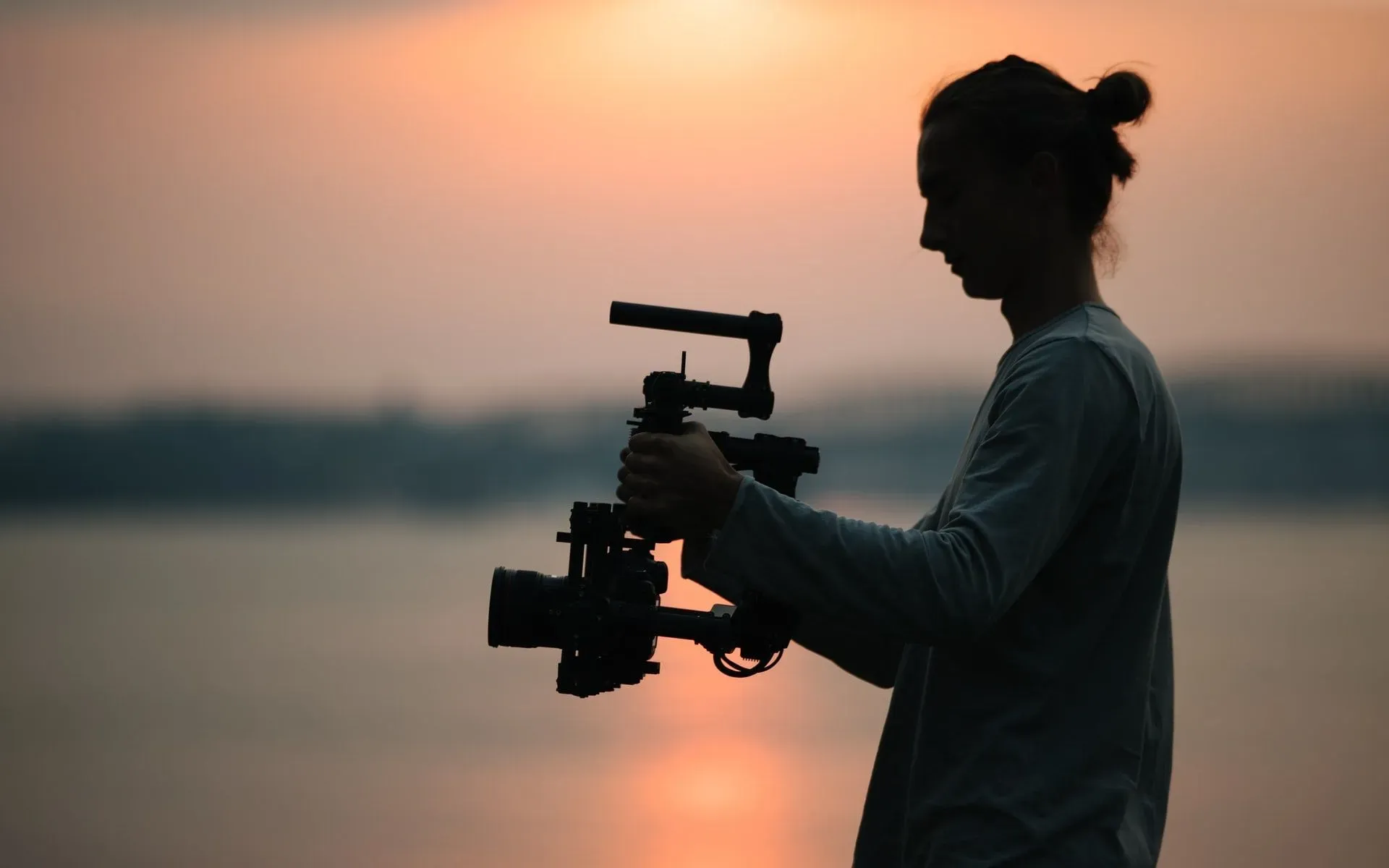
5 Essential Gimbal Techniques to Elevate Your Video Skills
Whether you're a novice or a seasoned videographer, mastering your gimbal techniques is crucial for creating smooth, dynamic shots. Here are 5 essential gimbal techniques that can elevate your video skills to new heights:
- Establish a Balanced Setup: Before you start filming, it's important to ensure that your gimbal is properly balanced. A well-balanced gimbal minimizes the strain on the motor and allows for smoother footage.
- Utilize the Pan Follow Mode: This mode lets you smoothly pan while keeping your shot level, which is perfect for capturing action sequences or following movements.
Additionally, consider these advanced tips to elevate your gimbal techniques:
- Practice the Walking Shot: When moving with your gimbal, maintain a smooth, fluid walking motion to prevent any jolts in your footage.
- Experiment with Slow Motion: Using slow motion can enhance the beauty of your shots and showcase the power of your gimbal by emphasizing fluid motion.
- Incorporate Cutaways: Use your gimbal to get creative cutaway shots that can enhance storytelling and engage your audience.
Counter-Strike is a popular first-person shooter (FPS) game known for its competitive gameplay and tactical team-based action. Players can choose between two teams: Terrorists and Counter-Terrorists, each with specific objectives. To enhance your gaming experience, you might also consider getting some gear, like the Top 10 iphone gimbals for capturing your gameplay moments.
Understanding Gimbal Settings: A Beginner's Guide to Stabilized Footage
When it comes to capturing smooth, cinematic footage, understanding gimbal settings is essential for beginners looking to elevate their videography skills. A gimbal is a device that uses motors and sensors to stabilize your camera, allowing you to shoot fluidly without the jarring shakes often associated with handheld footage. To get started, familiarize yourself with the three primary settings: yaw, pitch, and roll. These adjustments control how the gimbal reacts to your movements, enabling you to achieve the desired level of stabilization. For instance, a higher yaw setting allows for sweeping panoramic shots, while a more restricted roll setting can help maintain level horizons during dynamic shots.
As you delve deeper into gimbal settings, it's important to consider the mode in which you're operating the gimbal. Most stabilizers feature different modes such as follow mode, lock mode, and pan mode. In follow mode, the gimbal smoothly follows your camera's orientation, making it perfect for tracking moving subjects. Lock mode, on the other hand, ensures that the camera remains fixed in one position, great for static shots. Lastly, pan mode allows for panning movements without affecting tilt and roll, providing a versatile approach to capturing stabilized footage. By mastering these settings, you can create stunning, professional-quality videos that captivate your audience.
How to Choose the Right Gimbal for Your Filming Style
Choosing the right gimbal for your filming style is essential to capturing smooth, cinematic shots. Start by understanding your filming needs; whether you are shooting documentaries, travel vlogs, or action sports will significantly influence your choice. Consider factors like the weight of your camera setup, the types of shots you’ll be capturing, and the environments you’ll be working in. For instance, if you're shooting with a heavy camera, look for a gimbal that offers a higher weight capacity and stability. You should also evaluate the gimbal's handling features such as follow modes and controls, as these can vary widely between models.
Next, pay attention to the features and functionalities that align with your creative vision. If you plan to shoot dynamic action scenes, a gimbal with advanced stabilization technology and quick setup times will be crucial. Additionally, consider whether you need integrated remote controls or smartphone integration for live monitoring. Don’t forget to look into user reviews and professional recommendations to gain insight into how various gimbals perform in real-world scenarios. Lastly, set a budget that reflects your level of commitment; there are great options available at various price points to suit both amateurs and professionals.