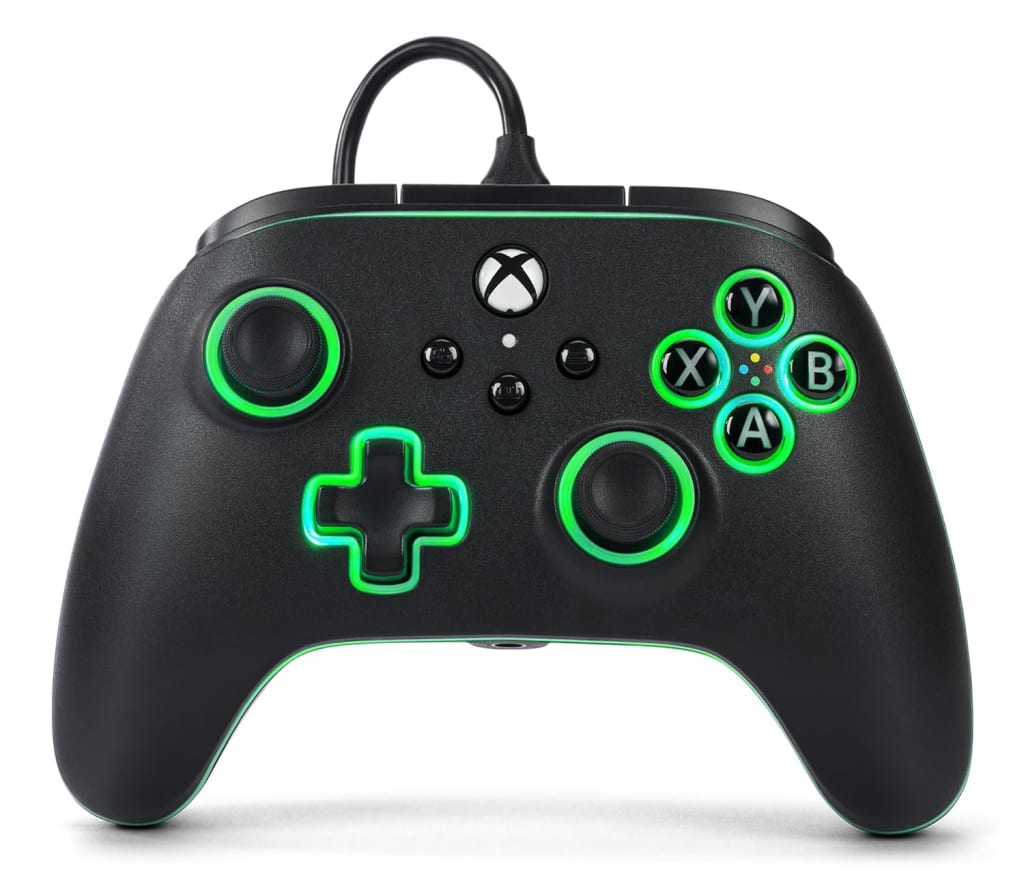
The Evolution of Game Controllers: From Joysticks to Modern Marvels
The history of game controllers is a fascinating journey that traces the evolution of interactive gaming from its humble beginnings to the sophisticated devices we use today. In the early days of gaming, joysticks played a pivotal role, providing players with a mechanical way to navigate virtual environments. Classic consoles like the Atari 2600 introduced simple, yet effective joystick designs, allowing players to immerse themselves in pixelated worlds. As technology advanced, the introduction of the gamepad revolutionized the gaming experience, providing buttons and enhanced control capabilities that enabled more complex gameplay.
Fast forward to modern times, and we now have an impressive array of gaming controllers that incorporate cutting-edge technology. From motion sensors to haptic feedback, contemporary game controllers like the PlayStation DualSense and Xbox Elite Wireless Controller offer unparalleled customization and responsiveness. VR controllers have further transformed the gaming landscape by bridging the gap between physical and digital play, allowing users to engage in immersive experiences like never before. As we look ahead, the future of gaming controllers promises even more innovation and connectivity, ensuring that our interactive experiences continue to evolve.
Counter-Strike is a highly popular first-person shooter (FPS) game that significantly shaped the gaming landscape since its initial release in 1999. With its objective-based gameplay, players engage in team-based scenarios, either as terrorists or counter-terrorists. The competitive aspect of the game has led to a thriving esports scene, with tournaments attracting millions of viewers. For those interested in enhancing their gaming experience, here is a list of Top 10 apple tv gaming controllers that could elevate your gameplay on other platforms.
How Game Controllers Transform Gaming Experiences: A Deep Dive
Game controllers have significantly evolved over the years, transforming the way players interact with their favorite titles. From the humble beginnings of joystick controls to today's sophisticated multi-button gamepads, these devices have become essential for enhancing the gaming experience. One major change is the integration of ergonomic designs that prioritize player comfort during lengthy gaming sessions. Game controllers now feature textured grips, customizable buttons, and even adaptive triggers that respond to in-game actions, allowing for a deeper level of immersion.
Moreover, the rise of wireless technology has liberated gamers from the constraints of tangled cords, enabling greater freedom of movement and connectivity. Features such as haptic feedback and motion sensors have also added a new dimension to gameplay, enhancing sensory input and making gameplay more interactive. As developers continue to innovate alongside advancements in game controller technology, players can expect even more dynamic and engaging gaming experiences in the future, solidifying the controller's role as a transformative force in the gaming industry.
What Makes a Great Game Controller? Key Features and Innovations Explained
When discussing what makes a great game controller, several key features come into play. First and foremost, the ergonomics of the controller are essential; it should feel comfortable in the hands of the user, allowing for long gaming sessions without causing strain. Additionally, the responsiveness of the buttons and joysticks is critical. Gamers rely on immediate feedback, so technologies like mechanical switches and high precision sensors can significantly enhance gameplay. Lastly, consider the compatibility with different gaming systems, as a versatile controller can elevate the gaming experience across multiple platforms.
Innovations in technology further define a great game controller. For instance, the inclusion of vibration feedback and motion sensing offers an immersive experience that traditional controllers may lack. Furthermore, customizable buttons allow players to tailor their setup to their specific style, enhancing gameplay efficiency. Wireless connectivity is also a game changer, providing freedom from tangled cords and improving portability. As technology continues to evolve, features like adaptive triggers and built-in audio capability are setting new standards for what players can expect in their gaming peripherals.