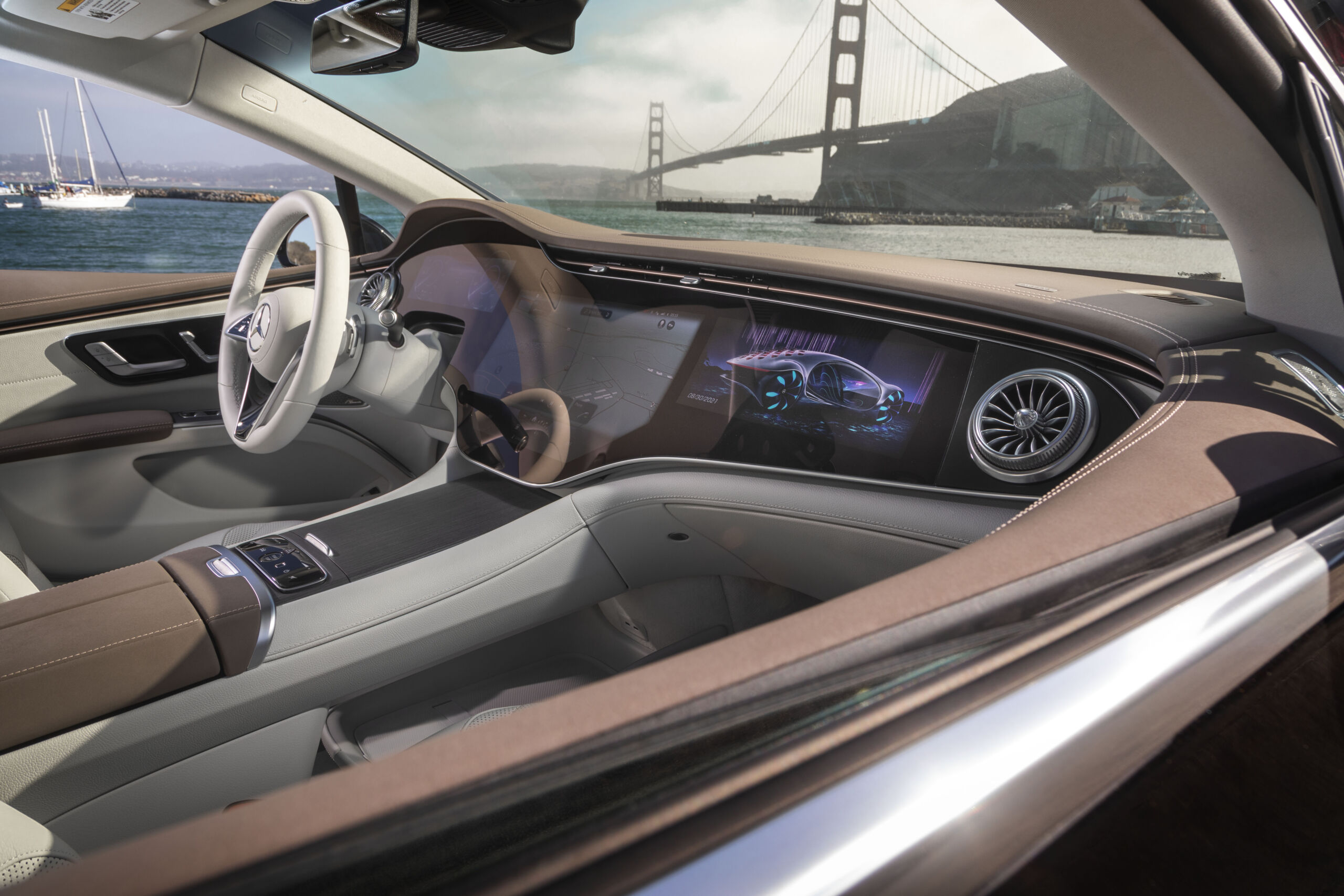
5 Ways AI is Changing the Future of Automotive Safety
As technology continues to advance, AI is becoming a pivotal force in reshaping the automotive industry, particularly in the realm of safety. From advanced driver-assistance systems (ADAS) to predictive analytics, AI is revolutionizing the way vehicles interact with their environment. For instance, AI algorithms analyze vast amounts of data from various sensors in real-time to provide critical insights that can prevent accidents. These systems are being integrated into vehicles to enhance features such as lane-keeping assistance and emergency braking, ultimately reducing the likelihood of human error on the roads.
Moreover, AI's role in automotive safety extends beyond just in-vehicle systems. With the rise of autonomous vehicles, AI technologies are paving the way for safer transportation solutions. Here are 5 ways AI is changing the future of automotive safety:
- Real-Time Decision Making: AI can process information faster than human drivers, allowing for quicker responses in emergency situations.
- Predictive Maintenance: AI can predict potential failures before they happen, enhancing vehicle reliability and safety.
- Driver Monitoring: AI systems monitor driver behavior and can detect signs of fatigue or distraction, prompting necessary alerts.
- Enhanced Vehicle Communication: AI enables vehicles to communicate with each other and infrastructure, reducing the chances of collisions.
- Continuous Learning: AI systems improve over time by learning from past incidents, thus enhancing safety protocols.
Counter-Strike is a popular first-person shooter game that has captivated players since its release. Known for its competitive gameplay, it pits teams of terrorists against counter-terrorists in various objective-based modes. For those looking to enhance their mobile gaming experience, check out the Top 10 iphone car mounts that will help you secure your device while you play on the go.
Is Your Car Smart Enough? Exploring the Tech Behind Connected Vehicles
In today's rapidly evolving automotive landscape, the question arises: Is your car smart enough? Connected vehicles have become a hallmark of modern technology, integrating advanced features that enhance safety, convenience, and driving experience. From smart navigation systems that optimize routes in real-time based on traffic conditions to advanced driver-assistance systems (ADAS) that can automate driving tasks, these innovations transform how we interact with our vehicles. However, it is essential to understand the underlying technology powering these features to truly appreciate their value.
At the heart of connected vehicles is a complex network of sensors, software, and communication systems. These cars often utilize Internet of Things (IoT) protocols to maintain connectivity, allowing them to communicate with other vehicles and infrastructure. This interconnectivity not only improves traffic management but also enhances features such as remote diagnostics and over-the-air updates. As we delve into the world of connected vehicles, consider how these technological advancements could redefine your driving experience. Is your car equipped to take advantage of these innovations, or is it time for an upgrade?
How Electric Vehicles are Redefining our Driving Experience
The rise of electric vehicles (EVs) is not just a trend; it's a revolution that is redefining our driving experience in multiple dimensions. One of the most significant changes is the transition to a quieter journey. Unlike traditional internal combustion engines, EVs operate with minimal noise, providing a serene travel experience that allows drivers and passengers to enjoy their surroundings, engage in conversation, or even listen to music without the interference of engine noise. Additionally, the impressive acceleration of electric motors offers an exhilarating driving experience, often allowing EVs to outpace their gasoline counterparts right off the line.
Moreover, the integration of advanced technology in electric vehicles enhances the overall user experience. Modern EVs come equipped with state-of-the-art features such as smart navigation systems, real-time traffic updates, and extensive connectivity options that bring a new level of convenience to driving. With many EVs designed for optimal energy efficiency, drivers can also benefit from reduced fuel costs and lower maintenance expenses, as electric vehicles typically have fewer moving parts than traditional cars. As the infrastructure for charging stations expands and battery technology continues to improve, the electric vehicle market is poised to drive innovation, making our driving experience more efficient and environmentally friendly.