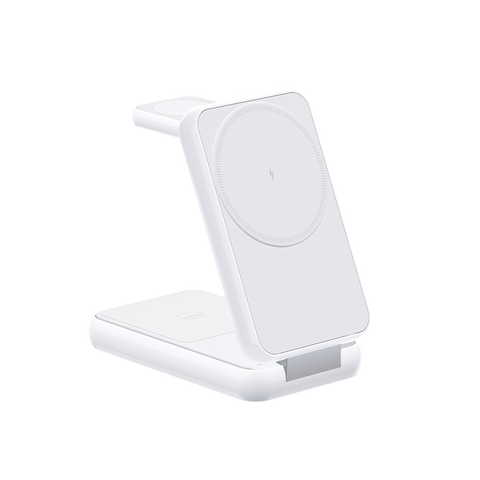
How Wireless Power Works: A Comprehensive Guide
Wireless power technology uses electromagnetic fields to transfer energy between a power source and an electrical device without the need for physical connectors. This innovation has gained popularity due to its convenience and the increasing demand for a clutter-free environment. There are several methods to achieve wireless power transfer, including inductive coupling, resonant inductive coupling, and capacitive coupling. Each method operates on different principles but aims to deliver efficient energy transfer to devices like smartphones, electric vehicles, and wearable gadgets.
One of the most common applications of wireless power is found in Qi charging, which utilizes inductive coupling to charge devices by placing them on a charging pad. The charging pad generates an electromagnetic field, which induces a current in a coil located within the device. To enhance user experience, advancements in this technology have led to increased range, efficiency, and compatibility across various devices. As the demand for wireless power solutions continues to grow, industries are exploring innovative applications that could revolutionize how we interact with technology.
Counter-Strike is a popular series of first-person shooter games that emphasizes team-based gameplay and strategy. Players can choose to play as either terrorists or counter-terrorists, working together to complete objectives or eliminate the opposing team. In addition to gaming, maintaining your devices is crucial, so check out the Top 10 magsafe chargers for optimal performance.
Exploring the Benefits and Limitations of Wireless Charging Technology
Wireless charging technology has revolutionized the way we power our devices. This innovative method offers several benefits, such as unmatched convenience and ease of use. Users can simply place their devices on a charging pad, eliminating the hassle of tangled cords and connectors. Additionally, this technology supports fast charging in many cases, allowing users to power up their devices quickly. According to recent studies, wireless charging can enhance device longevity by reducing wear and tear on charging ports, which are often vulnerable to damage over time.
However, it's essential to consider the limitations of wireless charging technology. One notable drawback is the relatively slower charging speeds compared to traditional wired options, which may be inconvenient for users in a hurry. Furthermore, the efficiency of wireless charging can be affected by various factors, including device alignment on the charging pad and the presence of cases that interfere with the signal. As technology continues to evolve, addressing these limitations will be crucial for the widespread adoption of wireless charging solutions in everyday life.
What the Future Holds for Wireless Power: Innovations and Trends
The future of wireless power is poised for remarkable innovations that could redefine how we interact with technology. As advancements in inductive charging and resonant power transfer continue to evolve, we can expect to see a surge in the development of new devices that rely on these methods for power. For instance, smart homes equipped with wireless charging solutions could allow multiple devices to charge simultaneously without messy cords, enhancing convenience and aesthetics. Additionally, as electric vehicles gain traction, the integration of wireless power technology for charging on the go presents a fascinating trend that could mitigate range anxiety and make sustainable transport more feasible for everyday users.
Moreover, industry trends indicate a growing emphasis on wireless power in healthcare, with researchers exploring ways to power medical implants and devices without intrusive wires. This could lead to improved patient comfort and reduced risk of infection. Companies are also investing heavily in wireless energy transfer technologies for various applications, ranging from consumer electronics to industrial equipment. As the market for wireless power grows, we may witness an increase in standards and collaboration among tech giants to provide safe and efficient solutions. Ultimately, the potential of wireless power is vast, and it offers exciting prospects for enhancing our interaction with technology in the near future.